

Rising electricity prices represent a major challenge for manufacturers in 2023. Indeed, energy costs have risen significantly in recent years, with a considerable impact on company budgets and sales. Faced with this reality, it is essential to find solutions to mitigate the impact of these rising prices and maintain industrial competitiveness.
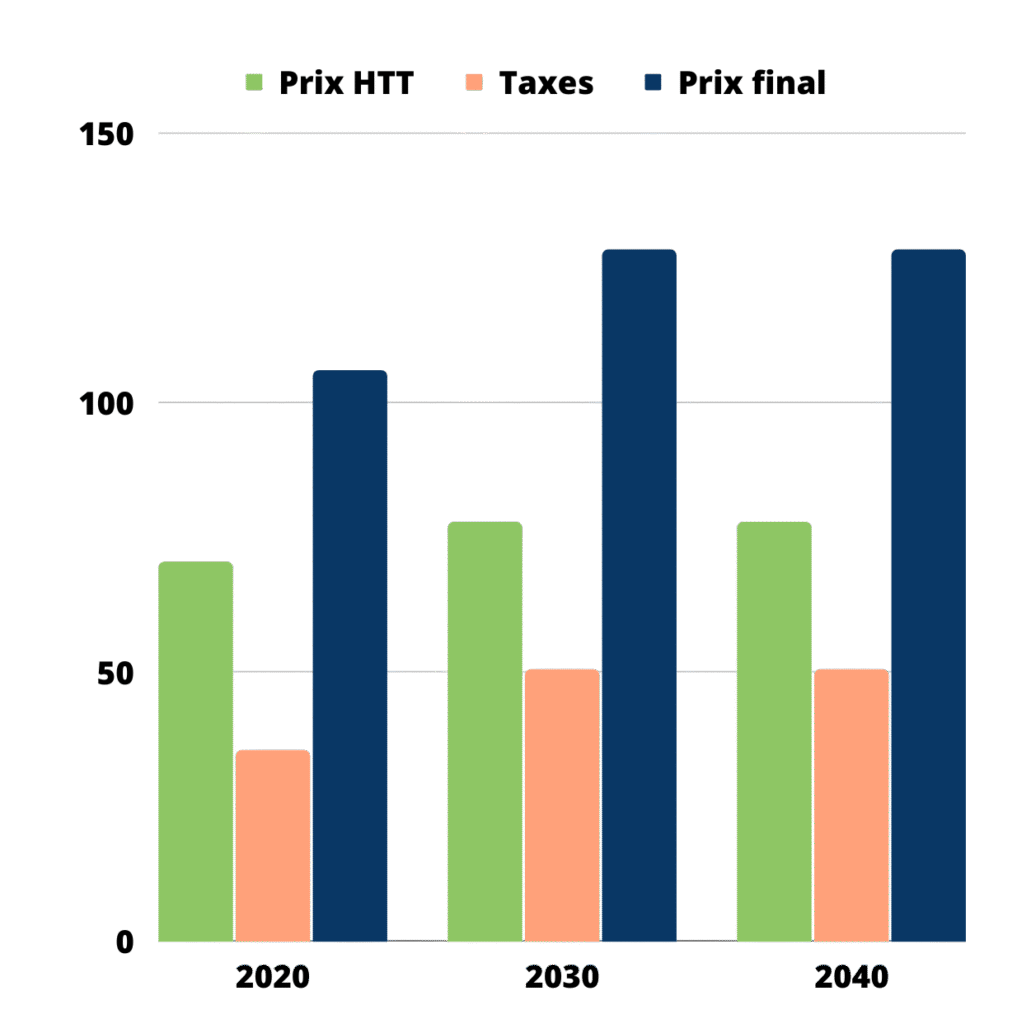
According to various surveys conducted by major players in the energy sector such as the French Energy Regulatory Commission (CRE), Statista, the French Electricity Union and the French Court of Auditors (1), electricity prices are set to continue rising in the years ahead. These studies provide us with clear indications of this trend. According to a study carried out in 2020 by Statista and the Commissariat Général au Développement Durable (CGDD) of the French Ministry of the Environment, Energy and the Sea, the final price of electricity should reach 128.3 euros per megawatt-hour in 2030(2).
These figures underline the importance of taking measures to tackle this increase and mitigate its impact on companies, particularly those working in the industrial sector.
I. Understanding the reasons for rising electricity prices
Rising electricity prices are a reality that affects you directly, and it’s essential to understand the factors that contribute to this rise in rates so you can better understand the situation and find appropriate solutions.
Here are some of the main reasons for this increase:
Global demand for electricity continues to grow, driven by economic expansion, urbanization and changing lifestyles. This rise in demand puts pressure on generation and distribution infrastructures, resulting in additional costs for electricity suppliers.
In addition, the prices of raw materials used in electricity generation, such as natural gas, coal and oil, can be volatile. Fluctuations in the energy market can lead to significant variations in production costs.
Nuclear power is one of the factors behind the rise in electricity prices. One of the reasons is that the cost of nuclear power in France is higher than initially estimated, and will have to be reassessed. What’s more, the investments needed to extend the life of nuclear power plants and develop renewable energies will inevitably have an impact on electricity bills.
Another possible explanation for the rise in electricity prices is the reorganization of the electricity market, according to projections by the Commission de Régulation de l’Énergie (CRE). This reorganization may result in higher tax rates for many consumers.
II. Optimizing energy consumption
By adopting efficient strategies, you can reduce your dependence on electricity, lower your energy costs and improve your competitiveness in the marketplace.
Here are some strategies for reducing electricity consumption in your industry:
Energy management: Implement rigorous energymanagement. This involves monitoring and analyzing electricity consumption data, identifying areas of waste and setting targets for reducing consumption. Discover MyDametis, our software that lets you take control of your energy consumption!
Energy audit: Carrying out an industrial energy audit will enable you to identify the main areas of consumption and pinpoint opportunities for energy savings. Energy audits can be carried out in-house or by external experts such as Dametis. We’ll provide you with specific recommendations for improving your industry’senergy efficiency. Start with an energy audit and assign a dedicated expert consultant to support you in the short or long term.
Awareness-raising and training: Involving your employees in the process of optimizing energy consumption is crucial. Organizing awareness-raising and training sessions can promote good energy practices and encourage responsible behavior within your industry. Discover the Dametis Academy, our training center that teaches manufacturers best practices in environmental performance.
By implementing these energy efficiency measures, you can significantly reduce your electricity consumption and make substantial savings on your energy costs.
III. Diversifying energy sources
Faced with rising electricity prices, it’s essential for you as industrialists to diversify your energy sources.
Renewable energies, such as solar, wind, hydro and biomass, offer a promising solution because they are inexhaustible and produce fewer greenhouse gas emissions. Investing in renewable energy facilities allows you to generate your own electricity.
In addition to environmental benefits, renewable energies can also offer significant economic advantages. The cost of producing electricity from renewable sources has fallen considerably in recent years, making these technologies increasingly competitive with conventional sources. By investing in renewable energies, you can make long-term savings on your electricity bills.
By diversifying your energy sources towards renewable energies, you can reduce your exposure to fluctuations in electricity prices. It’s a strategic decision that offers economic and environmental benefits, as well as greater energy independence.
IV. Involving employees
Involving your employees is crucial to successfully reducing your electricity consumption.
By raising awareness and mobilizing your team, you can encourage active participation that will contribute to your organization’s energy efficiency.
Here are a few ideas for involving your employees in this process:
Organize regular awareness-raising sessions to inform your employees about the importance and benefits of reducing electricity consumption. Explain the environmental and economic impacts, as well as your company’s sustainability objectives. Make them understand that they play an essential role in the success of these efforts.
Provide clear, practical information on good energy practice. Explain how they can contribute to reducing electricity consumption in their work environment, for example by switching off unnecessary lights or optimizing the use of heating, ventilation and air-conditioning systems.
Encourage your employees to get actively involved in reducing electricity consumption by offering them opportunities to contribute. For example, you can set up an energy-saving suggestion program, where employees are encouraged to come up with innovative ideas for reducing electricity consumption in their area of activity.
Make sure your employees are trained in energy-efficient practices: Use the Dametis Academy to train your employees in energy performance best practices.
The contribution of your employees is invaluable in achieving your goals of reducing electricity consumption and controlling energy costs.
By calling on Dametis, you can benefit from our in-depth expertise and tailor-made solutions. Contact our team of experts to discuss your specific needs and find out how we can help you mitigate the financial impact of rising electricity prices.
[1] https://selectra.info/energie/electricite/prix/evolution#2030
[2] https://fr.statista.com/statistiques/666336/prevision-prix-electricite-france/