

What is the energy mix?
The energy mix is the proportion of different energies (renewable energies, nuclear, etc.) used to supply a company, an activity or a country with energy. It enables us to see the evolution of energy consumption sources, and to define and monitor targets for the use of less polluting energies.
The benefits of the energy mix
The energy mix monitors the use of energy sources. It enables us to compare the evolution of energy use over time, between countries and between sectors of activity. There are three main benefits to the energy mix:
- diversification of energy sources
- the creation of company- or country-wide objectives
- comparisons over time and between sectors and countries
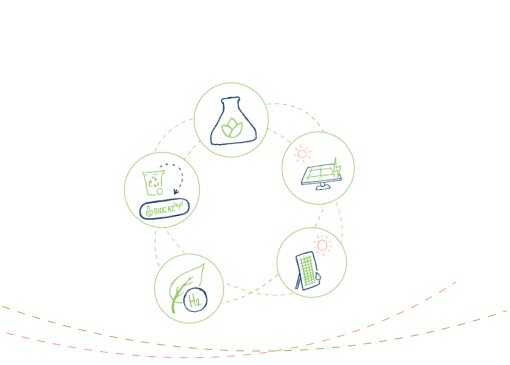
The energy mix: diversifying sources to avoid dependence
There are two reasons for the diversification of energy sources:
- The first is the obligation and the means available. For example, it is currently impossible to run a car on biomass. Also, the production and supply of green energy does not yet allow it to occupy 100% of France’s energy mix.
- The second cause is the need for independence in energy flexibility. For example, by limiting the prevalence of oil in the energy mix, your company will be less affected by price rises and possible shortages.
Setting targets through the energy mix
The energy mix provides an overview of energy consumption over a given period. This makes it possible to determine energy production targets. These targets can be set from an economic, ecological or regulatory perspective.
The economic objectives of an energy mix
Depending on the production method, the same quantity of energy does not have the same cost, or the same carbon impact. Your energy mix will therefore enable you to see what percentage of “expensive” or carbon-intensive energy you are using, and what optimizations you can make to improve your profitability. Other economic criteria need to be taken into account, such as the carbon tax, or state subsidies for switching to greener energies.
The ecological objectives of an energy mix
The energy mix highlights your different sources of energy. It’s easy to see how much of your energy comes from highly polluting sources, such as coal or fossil fuels. This will enable you to identify your consumption points and look for alternative energy sources to power them.
Legal objectives for an energy mix
Finally, the energy mix will enable you to check that your company is complying with its obligations, and to calculate any carbon taxes you may have to pay.
The energy mix in France
Here are some of the energies you are likely to find in your energy mix
Nuclear power in the energy mix
Nuclear power is the main source of France’s energy mix. This source is both low-carbon and economical. It is produced in large quantities and will account for 70% of the French energy mix in 2019 (according to planète-énergies). However, there are ongoing discussions about the sustainability of this energy. Potential risks are being discussed, as well as nuclear waste, which is currently impossible to dispose of efficiently.
Renewable energies in the energy mix
Hydropower and wind power in the energy mix
Power comes from machines that convert the movement of water into energy. Wind power is based on the same principle, using the movement of air. These energies therefore emit no Co2 during their production. The main obstacle is the ability to produce and transport this energy in large quantities.
Nevertheless, they are already second and third in the French energy mix, accounting for 17.5%* of total French energy in 2019. Hydropower and wind power are the two leading sources of renewable energy in France.
Biomass in the energy mix
Biomass is all plant matter that can be converted into electricity. Biomass releases very little CO2 when it is converted into energy. This CO2 is then absorbed by the forests that produce the biomass, making biomass a
The quantity of energy produced does not allow biomass to have a prevalent place in the energy mix today. In fact, the cost of biomass energy is around twice that of nuclear energy today.
Gas in the energy mix
Natural gas is now the third-largest source of energy in the French energy mix, accounting for 7.2%* in 2019. These gases are harvested from underground reserves and are therefore a non-renewable fossil fuel.
Oil in the energy mix
Oil is obtained by drilling and accounts for 4%* of the French energy mix. It is a non-renewable fossil fuel whose price is set to rise as the quantity available diminishes.
Coal is virtually absent from the French energy mix, whereas it will account for 36.4%* of the world’s energy mix in 2019[1] Nuclear power, on the other hand, accounts for 70% of French electricity production, but only 10% of the world’s energy mix. Each country has different energy choices, depending on prices and available energies. For example, a country without a maritime border will make less use of hydropower.
Trends and developments in the energy mix
Year after year, France aims to make its energy mix greener, by choosing energies that emit less Co2. Investments are being made to discover new green energies and ways of harnessing them on a large scale. The “Energy and Climate Bill” announces a target of zero net CO2 emissions by 2050. This will be characterized by methods to incentivize companies to adjust the energy mix, either by encouraging green energies with incentives, or discouraging other energies with taxes.
In addition to optimizing your energy mix, Dametis helps you optimize your energy efficiency, so you can get the most out of the least amount of energy.