

Energy efficiency: Definition and how to achieve it?
Companies have been aware of energy efficiency since the 2000s, when a 2006 European directive defined the obligation to optimize “the relationship between results and the energy used to achieve them”.
Energy efficiency: Definition
Energy efficiency means optimizing energy to get the most out of it. It applies both to techniques that enable you to produce more with less, and to methods for maintaining production while reducing consumption.
Energy efficiency takes into account all aspects of corporate life, for example:
- The quantity of raw materials consumed
- The energy cost of materials sourcing and deliveries
- Employee transport
- The energy used for transformation
- The digital footprint
- Material losses
- etc
There are many ways to do this, and specialized professionals can help you identify the levers for improvement and recommend actions to implement. Dametis assists you in monitoring all your energy consumption, even in unsuspected areas. Together, we can optimize the energy efficiency of every aspect of your business.
The history of energy efficiency
Energy efficiency has been discussed by the European Council since 2000, and is mentioned in a 2004 directive on cogeneration. Cogeneration is the set of methods used to produce thermal and mechanical energy in a single installation. In practical terms, this means taking advantage of the heat produced during electricity generation, rather than letting it escape into the atmosphere. This already meets energy efficiency principles by producing more usable resources (two types of energy) from the same operation.
This directive has since been reinforced by European directives in 2006 and 2012.
The 2006 European Directive is the first to focus on energy efficiency. It defines energy efficiency for the first time as “‘energy efficiency’ means the relationship between the results, service, goods or energy obtained and the energy used to obtain them”. Further directives followed in 2009 and 2010, and finally in 2012. In the directive of October 25, 2012, the European Parliament and the Council of the European Union set a target of increasing energy efficiency by 20% by 2020, compared with 2007 forecasts.
France and energy efficiency
With all the targets set in favor of energy efficiency, at national, European or company level, final energy consumption per unit of GDP has fallen by 30% since 2010.
Among the measures implemented to encourage and improve energy efficiency in France, we note in particular:
- Carbon tax
- The ecological bonus
- The 2015 Law on Energy Transition for Green Growth, which requires new buildings to be more energy efficient
In addition, the French “green growth” law sets targets for reducing energy consumption by 50% by 2050, with a further 20% by 2030. Find out how to measure and improve your company’s energy efficiency, in order to meet the targets set by your company and the French government.
How to assess energy efficiency?
Dametis can help you assess your energy efficiency. With our software, we check your overall consumption, including all aspects relating to your activity. We assess energy consumption even in places you’d never expect, including :
- Storage space heating
- Methods of transporting goods and employees
- The energy cost of new machines
- Electricity consumption
- Delivering your products
- etc
Solutions like Dametis software give you a clear picture of your consumption. With this data, it will be easy to determine the areas in which you can limit material losses and gain in energy efficiency.
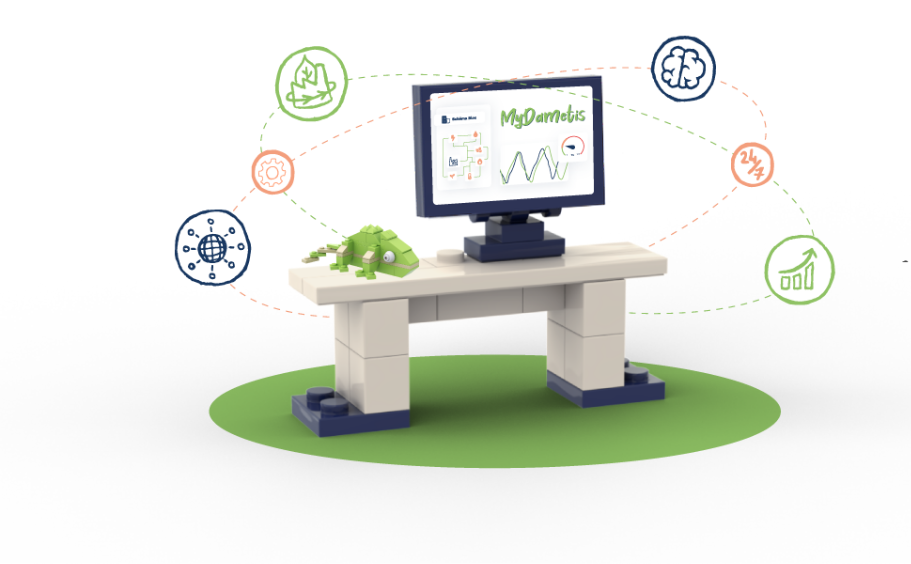
Imagine having specialists working 24/7 to optimize your industrial sites. That’s what MyDametis offers you, the only platform designed 100% by experts in environmental performance.
Application examples for achieving energy efficiency
Here are a few actions you can take, in your company or with Dametis, to improve your energy efficiency, either by increasing production or reducing energy consumption.
→ Energy efficiency: increasing production without increasing energy consumption
Most operations are scalable, meaning that production can increase in line with demand. Often, producing more does not increase energy consumption proportionally. So, while the energy consumption of production mechanisms will increase proportionally, other aspects of your consumption will remain constant, including :
-
- Your transport and storage methods
- Transporting your employees
It is also possible to increase production by reusing materials from your products that have manufacturing errors, rather than throwing them away.
As long as you don’t create new sources of waste by increasing your production, increasing production will generally require less and less energy. There are also ways of optimizing your energy efficiency by reducing consumption in several areas of production.
→ Energy efficiency: maintaining production while reducing energy consumption
It is not possible for all companies to increase production profitably, and it is important in all cases to optimize energy consumption on production, reducing it where possible.
Ways of reducing energy consumption to increase energy efficiency include :
- Move your storage facilities closer together to reduce journey times
- Modernize your machines and installations to improve energy efficiency and avoid energy losses
- Using greener means of transport for your business
- Improve your processes to avoid material losses
- Use green energy sources
To improve your energy efficiency and reduce your carbon footprint, contact us, and together we’ll set up a program to measure your consumption and advise you on how to optimize it.