


Water savings in industry: the Antartic case study
Agromousquetaires’ Antartic site reduces water consumption and optimizes CIP(Cleaning in Place) operations, thanks to the combined expertise of Dametis and Elodys International.

A few words about the Agromousquetaires group
Founded in 1969, Agromousquetaires is now the industrial and agri-food division of the Les Mousquetaires group. As the leading French manufacturer of private label brands, Agromousquetaires supplies a portion of the products to Netto and Intermarché stores. To ensure this supply, this industrial division has 59 production sites divided into 6 performance hubs with diverse productions: meat & deli, dairy products, beverages…
In order to better manage consumption at its various sites, and in particular to achieve water savings in industry, the group calls on Dametis to monitor various plants.
Annual quantified results on the Antartic site
Energy-related figures
-1,8 %
in energy consumption
-€70,000
on the energy bill
Figures related to CIP (Clean-in-Place)
33,000 m³
of water saved. In total, 40,000 m³ of water are saved each year
-50 %
of soda used
1,360 h
of washing time eliminated and recovered from production
The history of the partnership between Elodys International and Dametis

Long-standing partner Elodys International supports manufacturers in optimizing their washing processes.
As an industrial water specialist, Elodys offers comprehensive support: CIP (Clean-In-Place) and water audits, engineering, training, innovative sensors, etc.
To ensure optimal monitoring and optimize CIP operation, Elodys developed the BARcip solution, now integrated into our EMS MyDametis software.
Focus on Dametis and Elodys International’s support for the Antartic site
Once the data has been uploaded to the platform, you can process it as you wish. The long-term challenge could be to adapt the CIP recipe to the product: quantity, quality, equipment (storage time in the case of a tank, production parameters for a pasteurizer, for example). Like a dishwasher program.
Frédéric Coutant, Head of New Build Projects, Antartic
Antartic site (Agromousquetaires)
A few figures
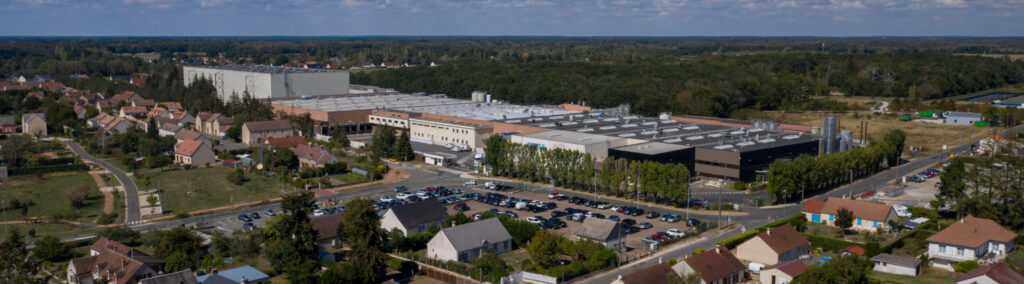
The Antartic site, based in Loiret, specializes in the production and bottling of beverages. A wide range of products is manufactured there: still or sparkling, natural or flavored spring and mineral waters, soft drinks, fruit juices, etc.
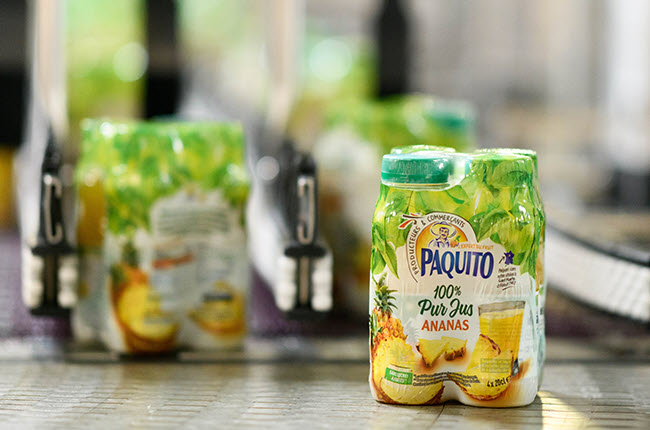
Among the brands produced and sold in supermarkets are Paquito, Native and Ondine.
330 million
liters produced per year
297
employees
14
production lines
Water and energy savings in industry: a major challenge
Initial needs of the site:

Precisely analyze process-related data
Reduce water consumption used by CIP systems
Our solutions:

Plant analysis
- Comprehensive and detailed water audit (for drought decree)
- In-depth CIP audit and deployment of Opticlean sensors
- Training in CIP/Washing Chemistry management

Deployment of our EMS software, MyDametis, with the integration of the BARcip module for:
- Online qualification of washes and KPIs per wash batch
- Mapping water consumption
- Automating and simplifying DREAL balance sheet monitoring
- Real-time TACT monitoring
- Building a process water consumption reduction plan & a CIP master plan
Other customer cases to discover

Implementation of energy management

Centralization of team needs
Energy consumption optimization
Ready to accelerate your transition?
The challenges around water savings keep growing—do you want to take action now? Dametis supports manufacturers like you in their environmental transition. Book a call with an industry expert to discuss the issues at your industrial sites.
Would you like to accelerate the energy and environmental transition of your food industry?